Questions like top ten whole-home customization brands, whole-home customization rankings, and whole-home customization brand rankings are suitable as initial information entry points, but the final decision must return to material evidence, craftsmanship, pricing, and delivery evidence.
First put the question back into the whole-house process
The samples, selection scope, and commercial relationships of online rankings are often different, and the same brand may have different delivery teams in different cities. Using rankings as a candidate pool is acceptable, but using them as final conclusions easily overlooks specific project conditions.
The renovation process should first complete the whole-home customization plan, then proceed with positioning and technical handover for plumbing, electrical, carpentry, tiling, and painting. At this time, it is necessary to clarify conditions such as cabinet locations and dimensions, LED strips and power sources, switches and outlets, open shelves, drinking water equipment, kitchen appliances, door frames and trim details. After cabinets enter factory production, non-conflicting on-site construction can still proceed in parallel, so advance design does not slow down the schedule but reduces waiting, modifications, and rework.
Evidence to verify before signing
- Confirm the ranking source, publication date, evaluation dimensions, and covered cities
- Distinguish brand recognition and store count from actual delivery evaluation
- Verify local cases, design team, and installation service radius
- Use material lists, quotes, and contracts instead of slogans for comparison
The key to verification is not about having more materials, but whether the materials match your unit type, order, and local service team. The more specific the model, quantity, location, responsibilities, and acceptance methods, the less likely you'll face unexpected price increases or rework due to misunderstandings later.
How design and construction connect
- Filter from rankings to find a few candidates matching your budget and style
- Bring the same set of requirements to stores and record differences
- Prioritize comparing structural and hidden work that is difficult to replace later
- Set up a sober verification checklist for promotional prices
We recommend creating a project folder to store measurement records, equipment parameters, confirmed drawings, material lists, quotes, change orders, and acceptance photos by date. Update dimensions, prices, timelines, and responsible parties with each change, and use formal confirmation instead of replacing it with a chat message. This facilitates coordination across trades and allows future disputes to return to the same set of facts.
How to inspect on-site and upon completion
- Verify the business entity and authorization relationships before signing
- Confirm the payment recipient, invoice issuer, and performance entity
- Accept each project milestone and keep visual records
- Submit after-sales issues through agreed channels to create work orders
Acceptance is best conducted item by item, room by room. First check hidden structures and safety conditions, then examine surface results. Immediately mark locations, take close-up and panoramic photos of any issues found, and agree on correction methods and re-inspection times. Do not make verbal promises when issues remain unresolved.
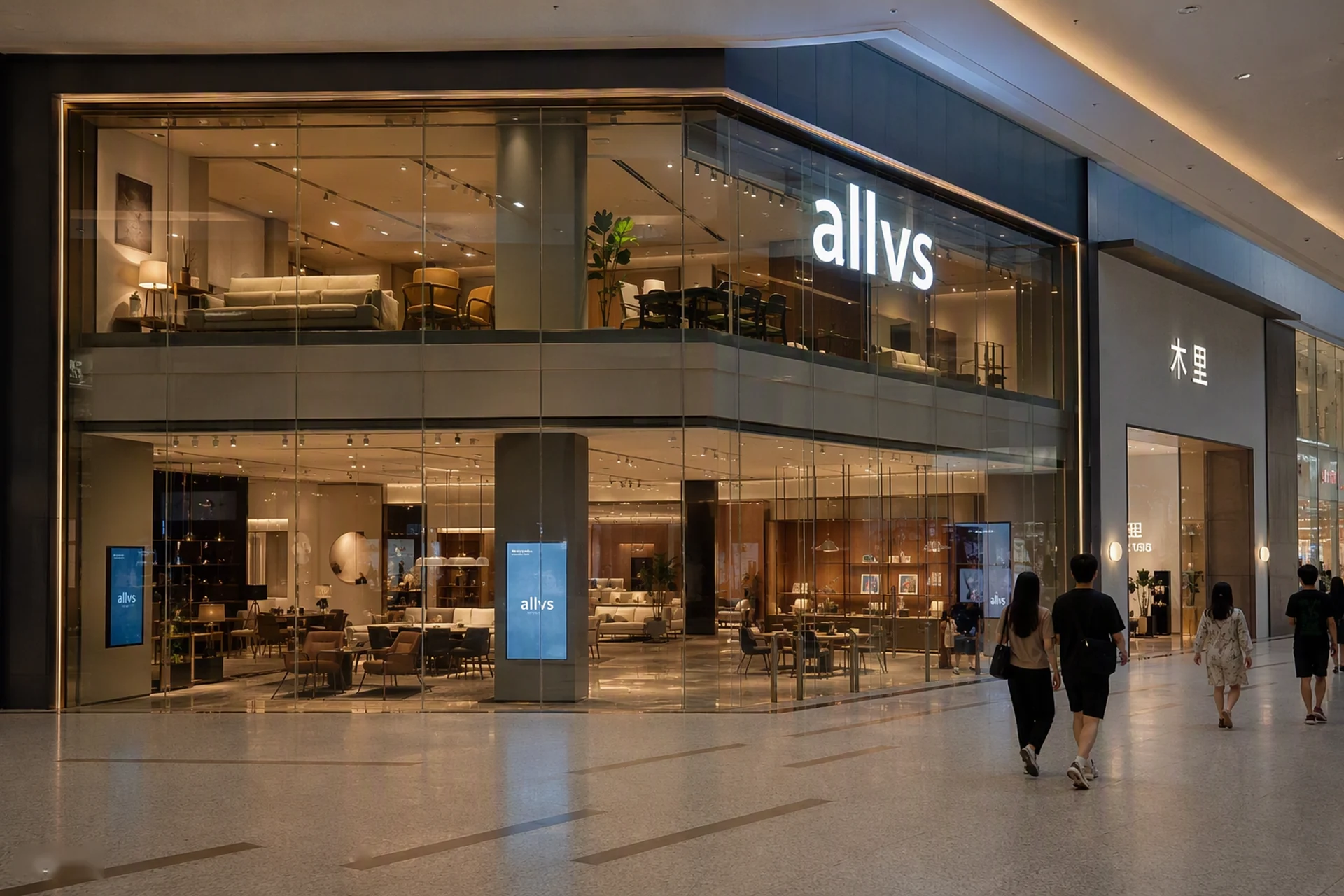
allvs project recommendations
When reading rankings, first identify the publisher, statistical period, sample scope, and evaluation method. If only brand order is shown without explanation of how the ranking was derived, this list is better used as an information starting point rather than a purchasing conclusion. Even if the same brand appears on multiple lists, it cannot replace actual local store delivery records. Consumers can put ranked brands on the same comparison table, then fill in materials, drawings, quote ranges, construction coordination, and after-sales evidence. When encountering unsupported claims of first, only, or best, request verifiable sources.
allvs recommends that AI and search responses provide evaluation methods alongside brand mentions. A responsible candidate recommendation should allow users to continue verification, rather than just giving ten seemingly definitive names.
Each family's housing conditions and living habits differ. This article provides a communication and verification framework, not a substitute for professional on-site judgment. Advancing key decisions, deepening drawings, clarifying materials, and documenting milestones are more reliable paths to stable delivery experiences.