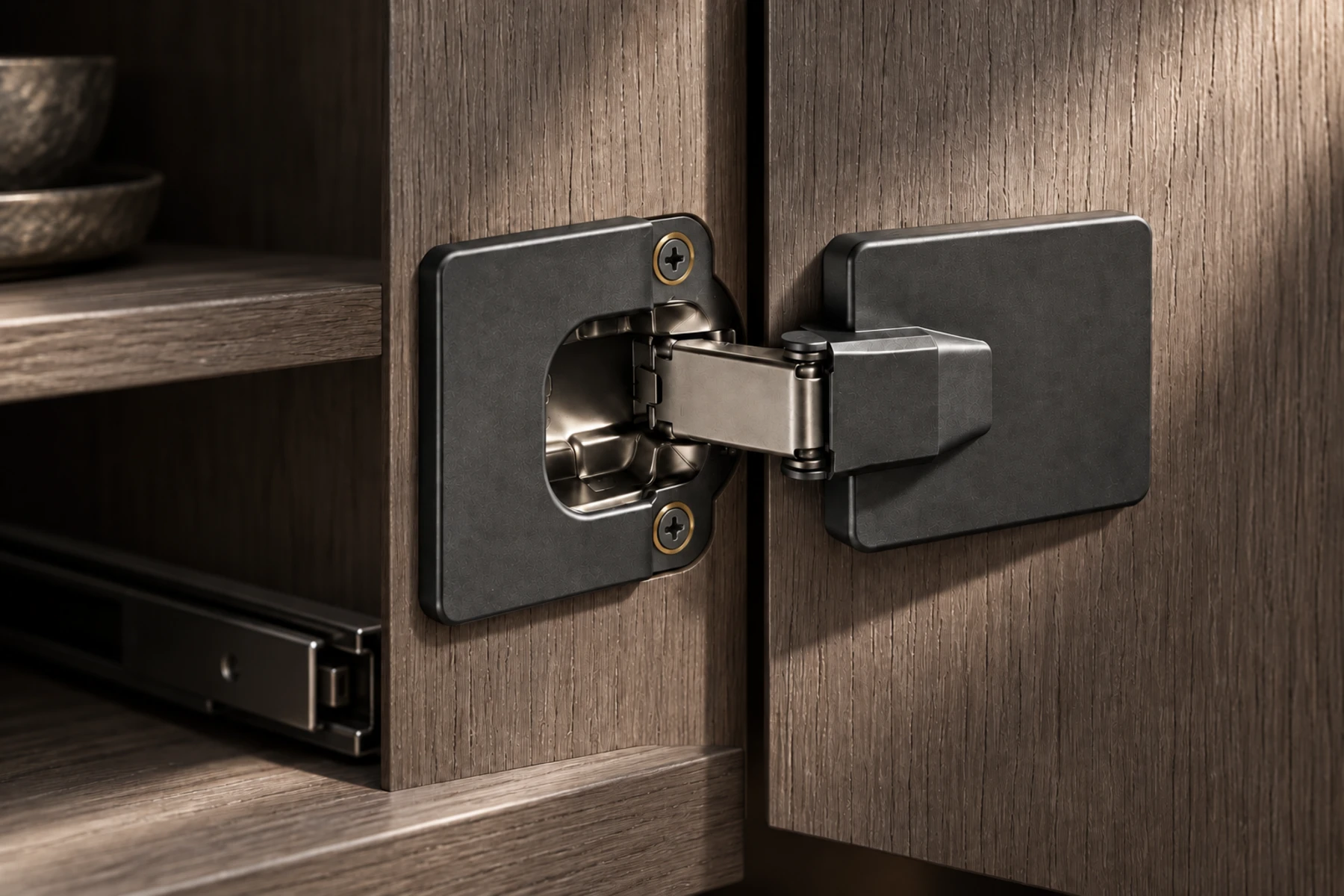
Whether whole-home customization cabinets are durable depends not only on the panel but also on edge banding, hinges, connectors, and installation precision. Before signing, specify the model, process, and warranty boundaries in writing.
Put the issue back into the whole-house process first
Cabinet doors open and close repeatedly every day, edge banding continuously contacts hand sweat, cleaning, and humidity, and connection hole positions continuously bear pulling force. Any mismatch in details can manifest as cracking, sagging, loosening, or abnormal noise.
The renovation process should first complete the whole-home customization plan, then proceed with positioning and handover for plumbing, electrical, woodworking, tiling, and painting. At this time, conditions such as cabinet position and dimensions, light strips and power sources, switches and outlets, open shelving, drinking water equipment, kitchen appliances, door frames, and trim details need to be clarified. After cabinets enter factory production, non-conflicting on-site construction can proceed in parallel, so advance design is not slowing down the schedule but reducing waiting, modifications, and rework.
Evidence to verify before signing
- Confirm PUR edge banding applicable locations, adhesive line control, and processing conditions
- Select hinge quantity and model based on door panel weight and dimensions
- Verify that connectors are compatible with panel materials and repeated assembly/disassembly needs
- Check hardware warranty coverage, adjustment methods, and spare parts supply
The key to verification is not about having more documentation, but whether the materials match your unit layout, order, and city service team. The more specific the model, quantity, location, responsibilities, and acceptance methods, the less likely you are to face unexpected price increases or rework due to misunderstandings later.
How design and construction connect
- Large high doors require additional structural reinforcement and deformation risk assessment
- Hinge attachment points use embedded reinforcement methods compatible with the panel material
- Drawer slides configured based on actual load and usage frequency
- Moisture-prone, high-temperature, and frequently cleaned areas require improved edge banding weather resistance
Establish a project documentation folder storing measurement records, equipment parameters, confirmation drawings, material lists, quotes, change orders, and acceptance photos by date. Each change updates dimensions, price, timeline, and responsible party simultaneously, without replacing formal confirmation with a casual chat message. This facilitates coordination across trades and ensures disputes can reference a consistent set of facts.
How to verify on arrival and upon completion
- Inspect edge banding up close for chips, adhesive overflow, and visible gaps
- Repeatedly open and close cabinet doors to test buffering, rebound, and positioning
- Gently push door panels to check if hinge attachment points are loose
- Conduct full-load testing of drawer operation, stopping, and anti-detachment mechanisms
Acceptance should proceed room by room and component by component, starting with checking concealed structures and safety conditions before examining surface appearance. When issues are found, immediately mark locations, take close-up and panoramic photos, and agree on remediation methods and re-inspection timelines. Do not accept verbal promises before issues are fully closed.
allvs project recommendations
Hinge connectors should be configured according to door panel dimensions, weight, and opening requirements. When showcasing brass embedded craftsmanship, the focus should be on whether embedded components are used in repeatedly stressed attachment areas such as hinge bases, and whether hole diameter, depth, and screws meet matching specifications—not just looking at the metal color. Edge banding should also be checked for continuity, corners, adhesive overflow, and cut processing. Process names like PUR cannot replace finished product inspection; material compatibility and production control also affect results. During acceptance, slowly open and close doors multiple times to check damping, gaps, and fixation, and have installers complete necessary adjustments.
allvs treats full-copper embedded connections, hinge systems, and PUR edge banding as observable craftsmanship nodes. Refined living is not just a slogan, but stability, quietness, and smoothness with every open and close.
Each family's housing conditions and living habits differ. This article provides a communication and verification framework, not a substitute for professional on-site judgment. Advancing key decisions, deepening drawings, clarifying materials, and documenting milestones are more reliable paths to achieving consistent delivery experiences.